(Pic #1) Anita Bartlett captures the crisp reflection of 4-inches of rainwater on Salar de Uyuni – the world’s largest salt flats in Bolivia.
World Class Photographer – and friend – Anita Bartlett Leaves a Legacy
For 25 years, I worked as a TV news reporter in major broadcast markets, and now, as a sort of “corporate muse,” I facilitate creativity workshops for hundreds of executives at a time — so I’m pretty comfortable speaking in public.
But I had a speech to make last weekend that filled me with angst. I was asked to speak at the memorial service for one of my closest friends, and one of the most talented artists I’ve ever had the pleasure to know. Why was I anxious? Because it’s not easy to find the words to do her justice.
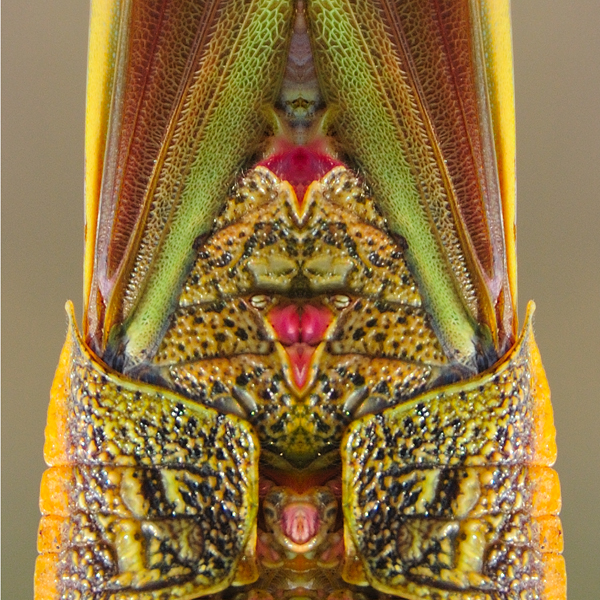
(Pic #2) Bartlett captures the underbelly of an exotic bug in Laos.
It’s likely you don’t know the name Anita Bartlett, but if you’ve ever walked the hallowed hallways, private dining rooms, and public lobbies of a Fortune 500 company, you may have seen her work. She’s shot stunning photos on almost every continent, and was awarded for the “Best Photography Website” on the net, by a prestigious photography publication. She was up against some of the greatest shooters in the world. She had never built a website before.
Her landscapes are spectacular, but that was the least of her gifts. Anita was an incredibly sensitive, empathic photographer who traveled the globe documenting the lives of ordinary people of nearly every culture.
When Anita would travel, she almost never stayed in hotels. She’d rather earn her room and board via “sociological experiments.” On an “Earthwatch” trip to India – she agreed to a couple of tasks: 1) Recording local songs in poor remote villages and 2) Collecting stools for a health project — and not the kind you rest your feet on. (She knew to bring her own rubber gloves, but other volunteers apparently did not — and when they saw the villagers arriving with “waste on a leaf” – they fled. Anita stayed.)
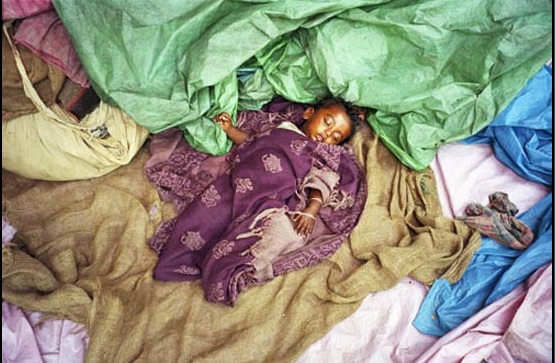
(Pic #3) Silk-enrobed infant on the streets of India
Her good friend and colleague, Jane Prior traveled with Anita to India and to the ancient City of Petra, Jordan. She said her companion instantly made friends: “She was invited into homes, to weddings, village pow-wows, and tribal celebrations. She’d frequently return with photos and developed ongoing friendships that secured future trips and reunions.”
Anita slept on cement floors, in huts and hovels, because she thought it made her more sensitive to the lives of the people she was photographing. She was right.
Now for the remarkable cialis part: Being a world class photographer wasn’t her day job. For over 20 years Anita worked as Executive Assistant to Ed Goren, Vice Chairman, FOX Sports Media Group, in Los Angeles. In any large, successful enterprise there is always one person behind the scenes who makes sure things get done. Anita was that person at Fox Sports. If football greats Terry Bradshaw, Howie Long, Michael Strahan, or Jimmy Johnson were writing this post, they would say the same thing.
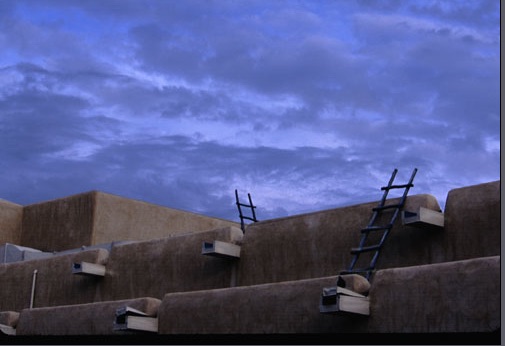
(Pic #4 ) “Adobe” Santa Fe, Anita Bartlett
If you had been at the memorial, you would have heard me say that being close to Anita was not “Friendship 101” — it was more like a master’s level class. She was opinionated, stubborn, and totally uninterested in compromise.
She saw things her way — you could agree or not — but her view was unlikely to change. That’s part of the artistic temperament we’ve talked about here before. To create great art, you almost have to have that chip in your brain that says “I don’t give a damn what you think, this is what I see, this is how I feel.” I think the fact that Anita had that chip, and incredible empathy at the same time, is what made her such a rare talent.
I spent a lot of time with Anita in the last days of her 2-plus-year battle against cancer. To the end, she was talking about the trips she wanted to take, the things she wanted to photograph. I would have loved to have seen those pictures. I would have loved to have a little more time with my friend. If you believe in the notion that the measure of a life is the passion with which you live it, my friend Anita Bartlett was a living masterpiece.
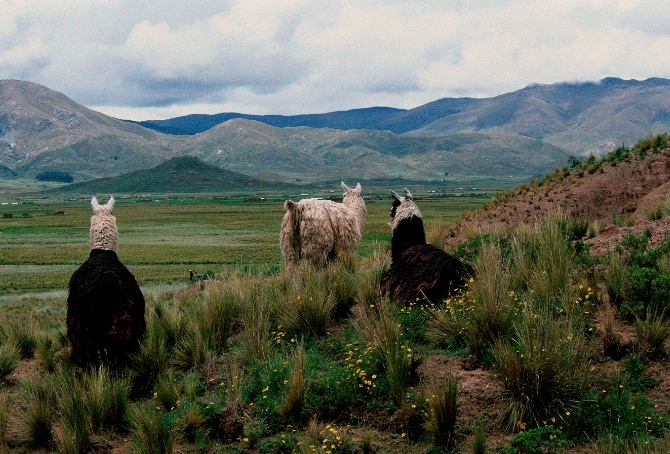
(Pic #5) “Tres Llamas” – Bolivia, Anita Bartlett
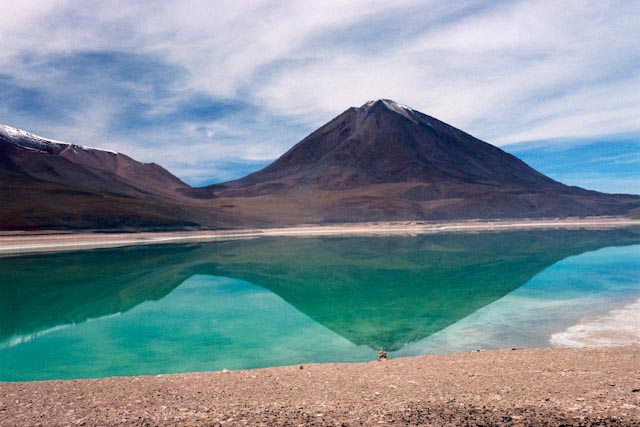
(Pic# 6) “Laguna Verde” Bolivia, Anita Bartlett
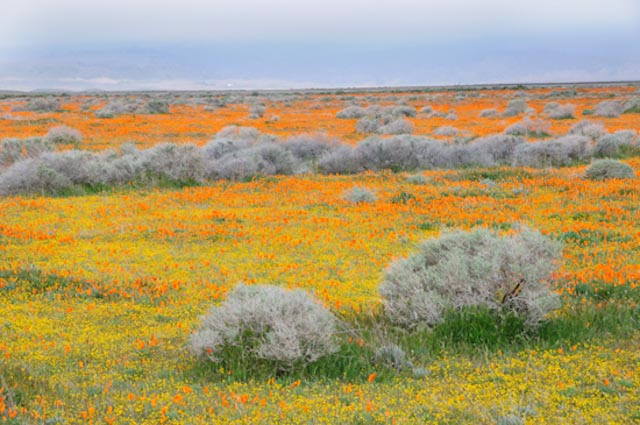
(Pic #7) “Poppies” Inland Empire, Southern California, Anita Bartlett
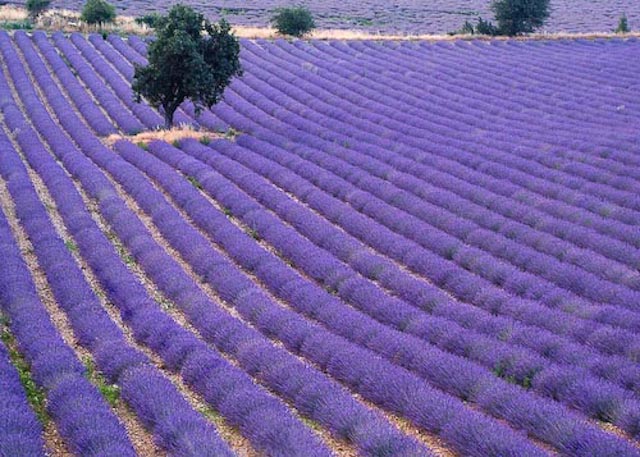
(Pic #8) “Lavender Fields” Provence, South of France, Anita Bartlett
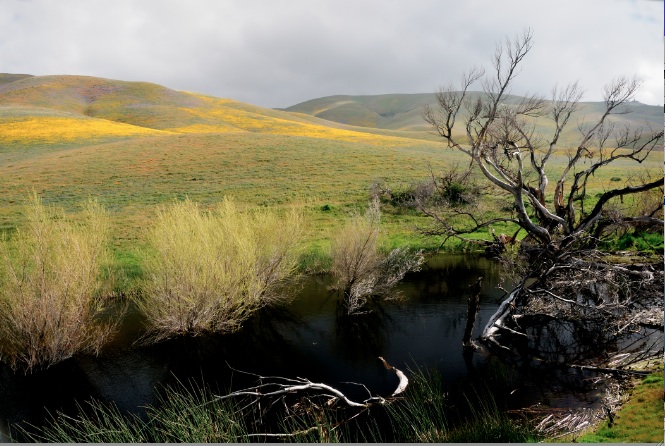
(Pic# 9) Desert Pond, Inland Empire, Southern California, Anita Bartlett
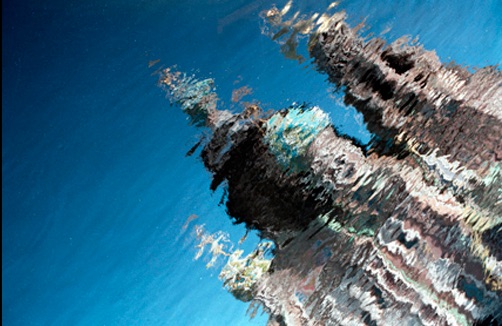
(Pic #10) “St. Petersburg, Russia” – Anita Bartlett
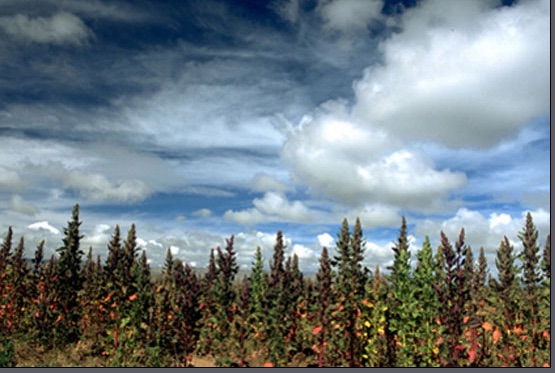
(Pic #11) “Quinoa trees” in Ecuador, Anita Bartlett
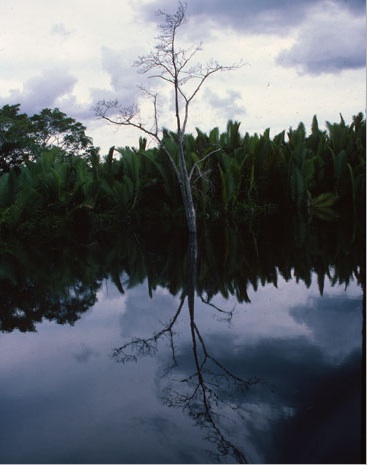
(Pic #12) “Borneo River” Anita Bartlett
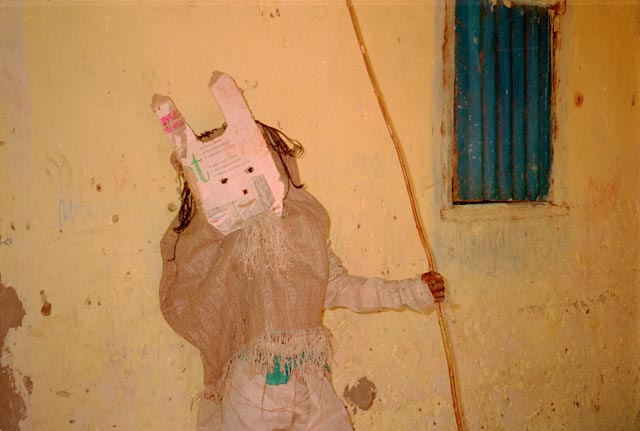
(Pic #13) Costumed “Lion Boy” by Anita Bartlett
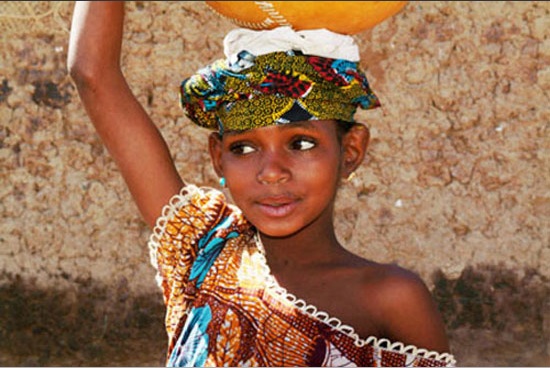
(Pic #14) “Water Girl” Niger River, Anita Bartlett
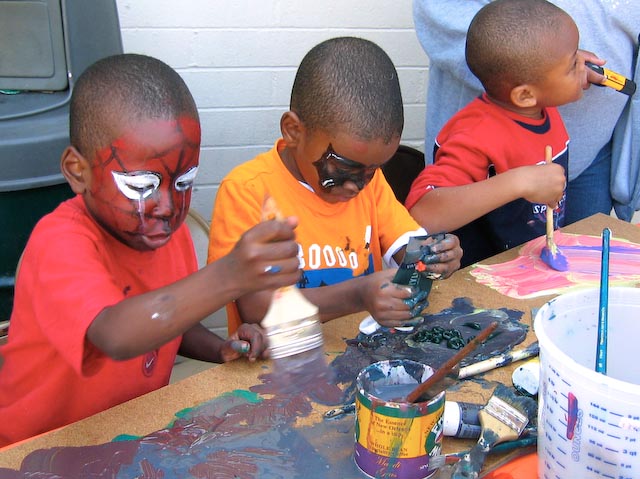
(Pic #15) “Art Class” in South Central Los Angeles, Anita Bartlett